

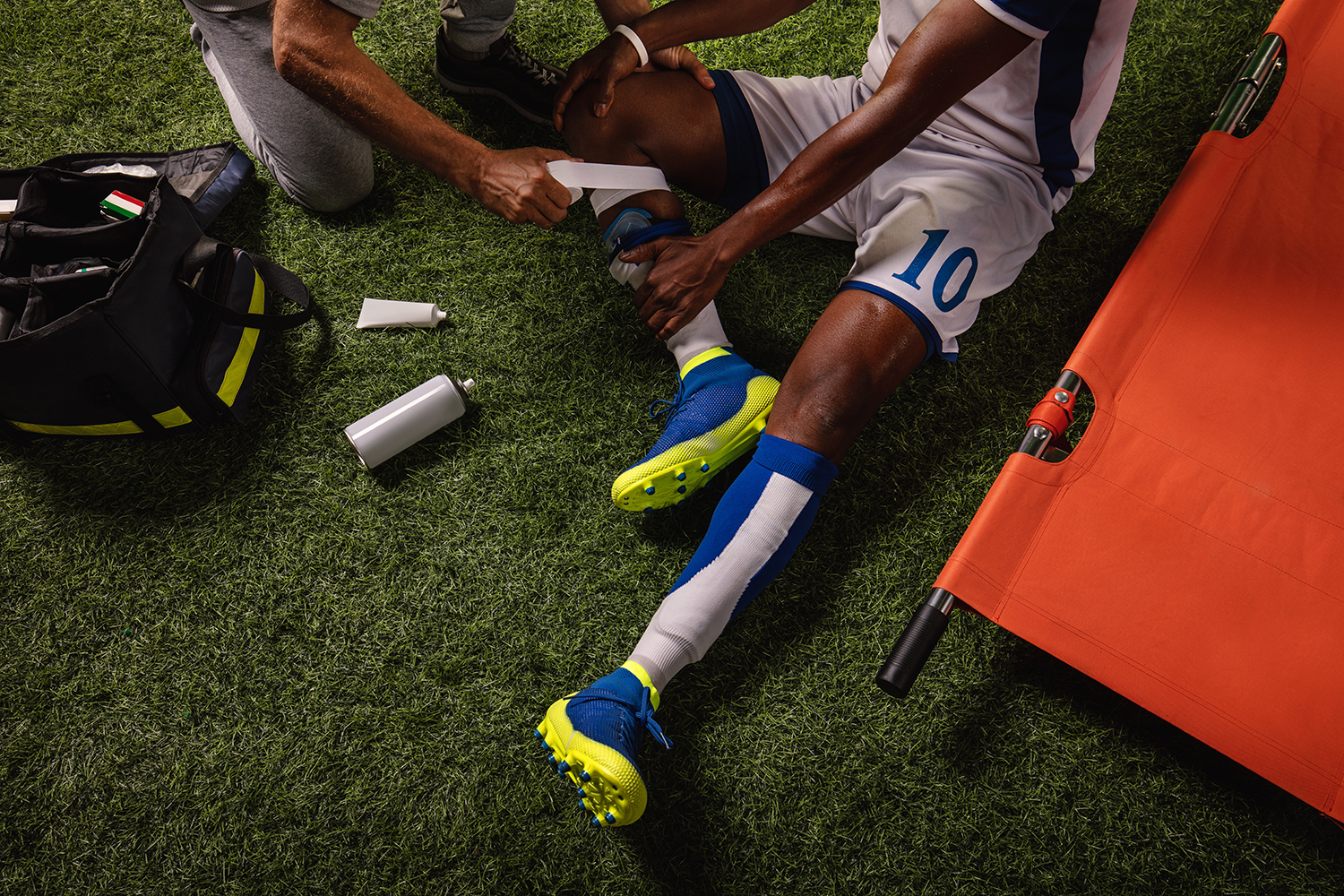
In the fast-evolving realm of sports technology, wearables, motion capture, and data analytics stand out as transformative tools reshaping athlete training, performance, and injury prevention. Investment stakeholders in the sports tech market, particularly in the predictive analytics field, know that understanding the combined power of these technologies is imperative. They offer unprecedented insights that can significantly enhance our ability to predict and prevent sports injuries.
Understanding the Triad of Injury Prediction Techniques
Currently, there are three primary techniques driving the sports tech market focused on analyzing injury prediction and prevention data from:
- Wearables
- Motion Capture
- Bespoke performance and injury databases
Each technique has distinct advantages and limitations, but the potential lies in their integration. Let’s explore each approach to highlight how they contribute to injury prevention and where the gaps are.
Wearables
Wearable technology has carved a niche within sports analytics, providing detailed, real-time athlete-specific information.
Advantages:
- Athlete-Specific Information: Wearables are tailored for individual athletes, giving insights into their unique performance metrics.
- Physiological and Biometric Info: These devices track variables like heart rate, step count, and motion patterns, providing a comprehensive view of athlete health and performance.
- Real-Time Monitoring: Coaches can monitor athletes in real-time, allowing for timely interventions based on physiological responses.
Disadvantages:
- Narrow Data Band: Wearables generally focus on specific metrics, which may not encompass the full scope of an athlete’s health.
- Lack of Historical Context: They often lack the ability to provide insights grounded in broad historical data, limiting the predictive analysis.
- Device Limitations: League rules may restrict their usage, particularly in games.
Catapult Sports, for example, provides advanced wearable technology that tracks athlete performance metrics, combining GPS, heart rate, and motion analytics. Their platform allows teams to enhance performance management and reduce injury risks through tailored training insights.
Motion Capture
Motion capture technology employs visual and kinematic analysis to understand an athlete’s biomechanics more deeply.
Advantages:
- Detailed Movement Analysis: This technology captures exact movements and mechanics, helping identify inefficiencies or potential injury risks.
- Real-Time Feedback: Athletes receive immediate feedback on their performance, allowing for instant adjustments in technique.
- Injury Prevention Insights: By analyzing movement patterns, coaches can make informed decisions about training loads and exercises.
Disadvantages:
- High Setup Costs and Complexity: Setting up motion capture systems often requires significant financial investment and technical know-how.
- Limited Data Scope: Like wearables, motion capture does not always incorporate broader physiological data or historical insights, making it one-dimensional.
Companies like Orecco specializes in biomechanical analysis, using motion capture to improve athlete performance and reduce injury risks through predictive modeling. Another, KinimaAI, applies AI to motion data for deeper analytical insights, providing athletes and coaches with valuable information on movement efficiency.
Data Aggregators Using Proprietary Predictive Metrics
This technique leverages extensive historical databases and proprietary metrics to spot trends in player performance and injuries at a macro level.
Advantages:
- Comprehensive Historical Data: These platforms house massive datasets covering athletes across leagues, aiding broad analysis and injury trend identification.
- Proprietary Predictive Metrics: By developing unique analytics, companies can improve AI accuracy in injury predictions.
- Feature Analysis: Such platforms provide insights that allow teams to understand why injuries occur and how to counteract them. For instance, Probility AI predicts athlete injury risks by assessing injury counts and severity for each season and career outlook and identifies the behaviors leading to those injuries.
Disadvantages:
- Lacks Athlete-Specific Data: While historical data is vast, it often does not include real-time biometric information for individual athletes.
- No Physiological Metrics: Without current health data, these systems may miss critical warning signs that predictive models need to function optimally.
Probility AI utilizes immense databases of historical performance and injury data to create highly accurate predictive models for athletes. Their platform can forecast injury probabilities and severity for every athlete, giving organizations critical insights into athlete durability over time.
The advantage of the Probility platform lies in its design, however. Probility’s predictive platform can ingest data from multiple sources without combining those data sets or confusing ownership. This design breakthrough positions Probility AI as the ultimate aggregator of sports-related data capable of partnering with leagues, teams, and other injury prediction and prevention companies to produce the ultimate predictive platform.
The Power of Integration: A Unified Platform
The integration of wearables, motion capture, and predictive analytics platforms opens doors to a transformative approach in injury prediction and prevention. Imagine a platform that harnesses the real-time monitoring of wearables, the detailed biomechanical analysis from motion capture, and the comprehensive historical insights from data aggregators – all combined in a world-class predictive analytics platform.
Potential Benefits:
- Holistic Insights: A unified approach allows for a 360-degree view of an athlete’s health and performance, enhancing predictive accuracy.
- Customized Training Regimens: By understanding an athlete’s specific needs, coaches can tailor training programs that minimize injury risk, leading to better performance outcomes.
- Timely Interventions: With data flowing from multiple sources, coaches and medical staff can identify potential issues early and take proactive measures, thereby reducing the likelihood of injuries occurring.
Challenges to Overcome:
Despite the promise of an integrated platform, several challenges persist that stakeholders in the sports tech space must address:
- Data Compatibility: Integrating data from diverse sources requires standardized protocols to ensure that information is combined seamlessly. Companies must prioritize interoperability between their systems.
- Privacy and Security Concerns: As more personal data is collected, ensuring the privacy of athletes is paramount. Companies need to comply with data protection regulations and establish robust security measures to build trust.
- User Adoption: Getting athletes and coaching staff to embrace new technologies poses a challenge. Effective training and education on the benefits of these systems are critical to widespread acceptance and use.
- Resource Allocation: Smaller teams or organizations may face financial and logistical constraints that hinder their ability to adopt such comprehensive technologies. Innovative models, including partnerships or shared services, could alleviate these barriers.
The Road Ahead
The integration of wearables, motion capture, and data aggregation holds immense potential to revolutionize injury prevention and predictive analytics in sports. As technology continues to advance, we can expect significant developments in how data is analyzed and applied.
Investors and stakeholders must remain attuned to evolving technologies in this space. Companies that successfully combine these three approaches will not only create superior predictive models but will also position themselves as leaders in the rapidly growing sports tech market.
The future is bright for sports analytics, where an athlete’s health and performance are managed holistically. As the line between technology and sports continues to blur, the insights derived from integrated data not only improve athlete safety but enhance the very fabric of the game itself.